
Custom PTFE O-Ring Manufacturer
CNC-machined pure PTFE O-rings for chemical processing, semiconductor, pharmaceutical, food processing, and aerospace static sealing applications. Virgin PTFE, universal chemical resistance, -200°C to +260°C, zero media absorption, non-contaminating. Custom PTFE O-ring dimensions — cross-section from 1mm to 20mm, ID from 3mm. ISO 9001 certified, FDA, USP Class VI, and 3A Sanitary compliant.
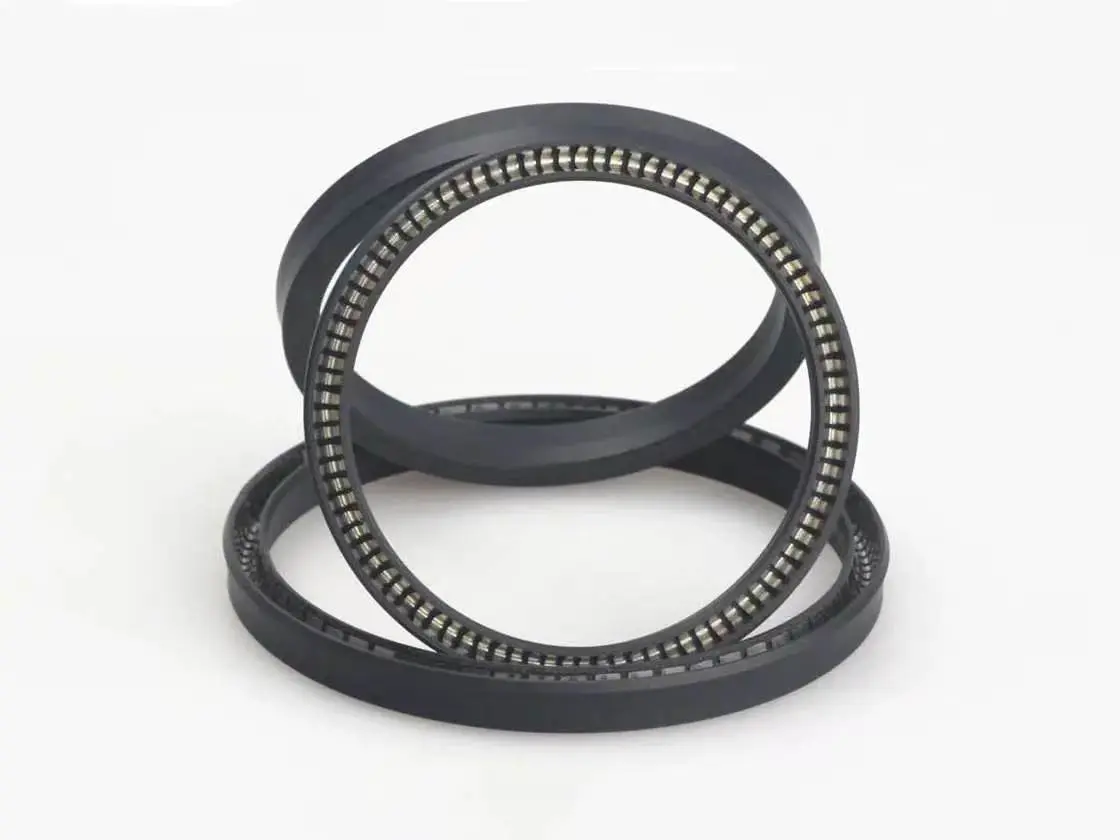
PTFE O-Ring Sizes & Manufacturing Capabilities
We manufacture pure PTFE O-rings via CNC machining from virgin-grade PTFE resin — no fillers, no additives, no recycled content — ensuring consistent chemical resistance, temperature performance, and purity across every O-ring produced.
PTFE O-Ring Characteristics
Pure PTFE O-rings provide universal chemical resistance — compatible with virtually all acids, solvents, caustics, and hydrocarbons except molten alkali metals and elemental fluorine at high temperature. Operating temperature range from -200°C to +260°C with zero media absorption and zero swell. Unlike rubber O-rings, PTFE does not age, crack, or degrade over time. The non-stick, non-contaminating surface makes PTFE O-rings ideal for semiconductor, pharmaceutical, and food-grade applications. PTFE O-rings are best suited for static face-seal and flange applications where their lower elasticity compared to rubber is compensated by higher bolt loading. CNC-machined to your exact dimensions with tolerances down to ±0.05mm — no mold charges, fast turnaround on any size.
PTFE O-Ring Capabilities
- MaterialPure Virgin PTFE (Teflon)
- Size StandardFully Custom CNC-Machined
- Cross-Section1.0mm – 20mm
- Inner Diameter3mm – 2000mm
- HardnessShore D 50 – 65
- Tolerance±0.05mm
- MOQ1 pc (prototype), 50+ (production)
- CertificationISO 9001, FDA, USP Class VI, 3A Sanitary
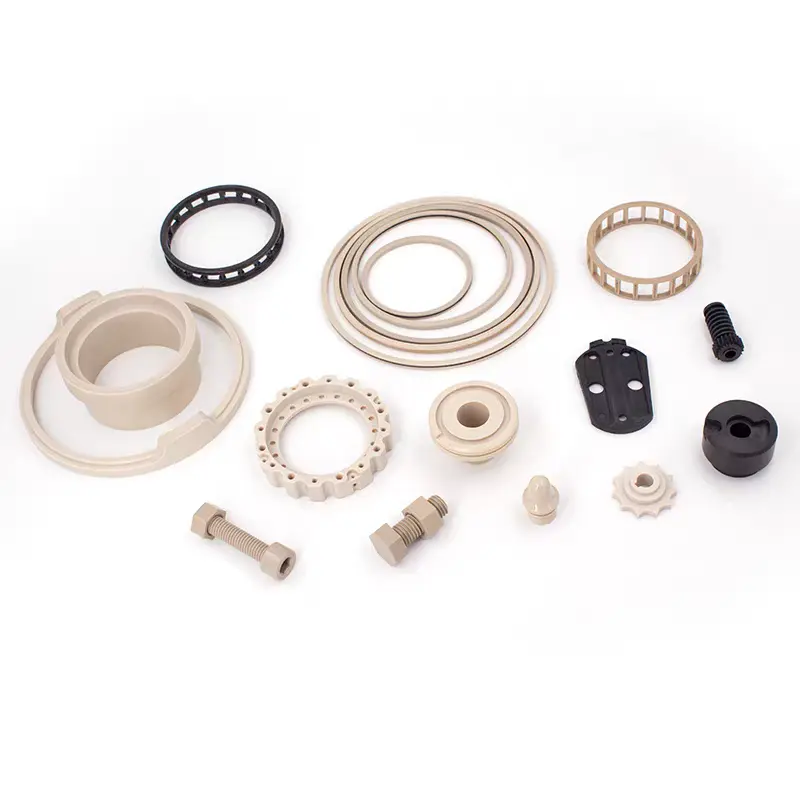
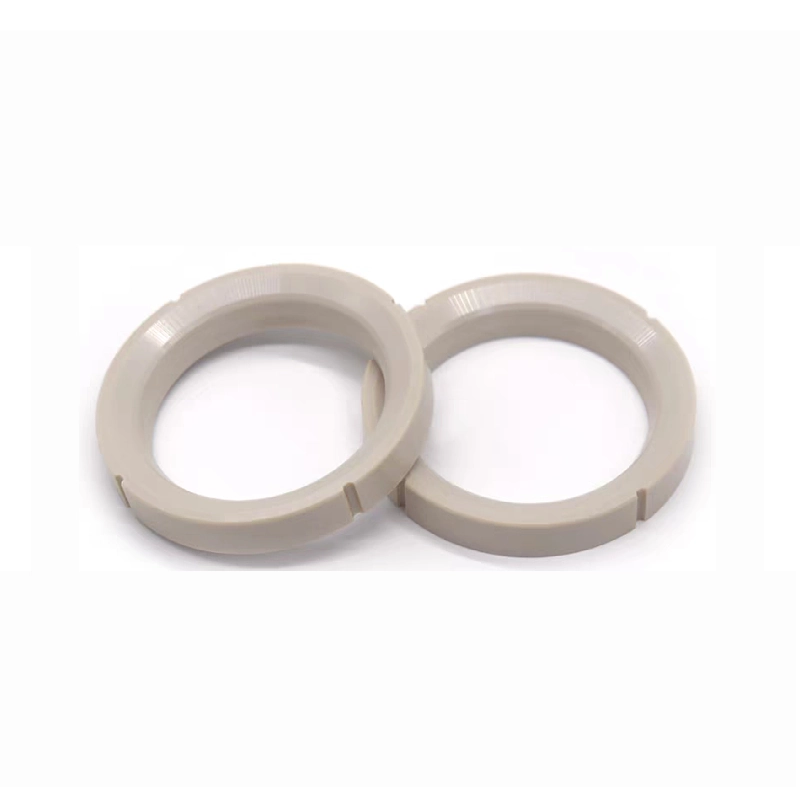
PTFE O-Ring Manufacturing Projects
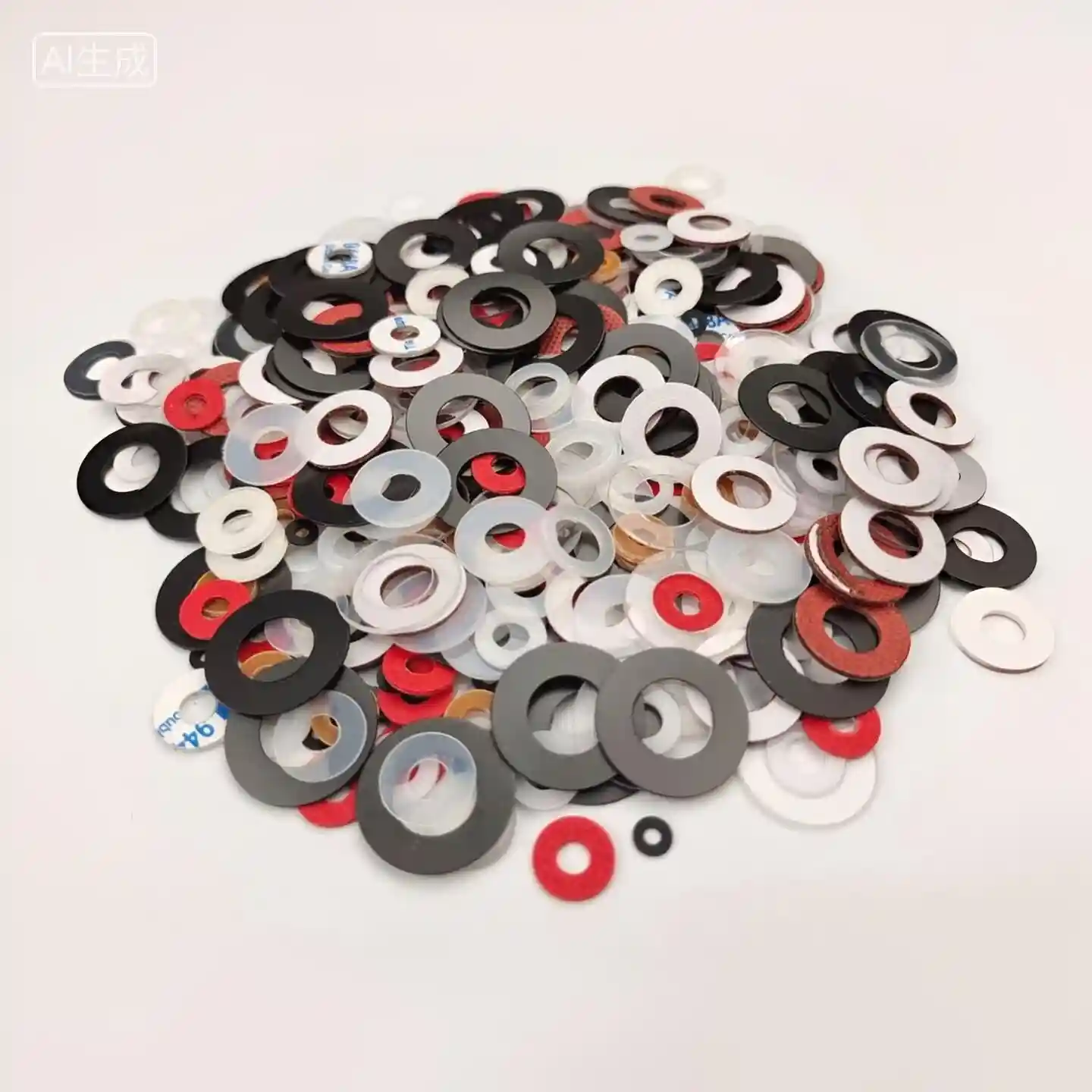
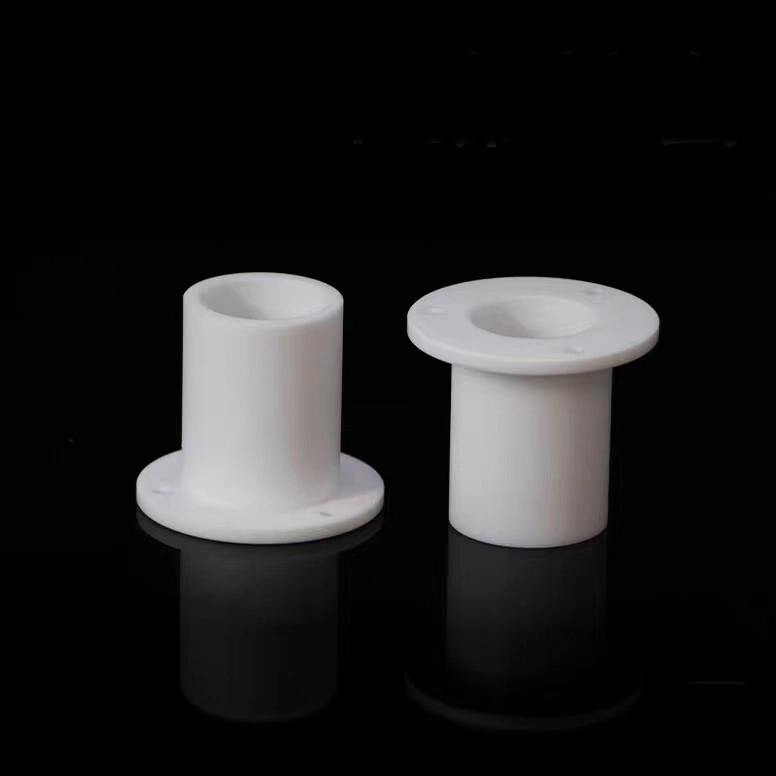
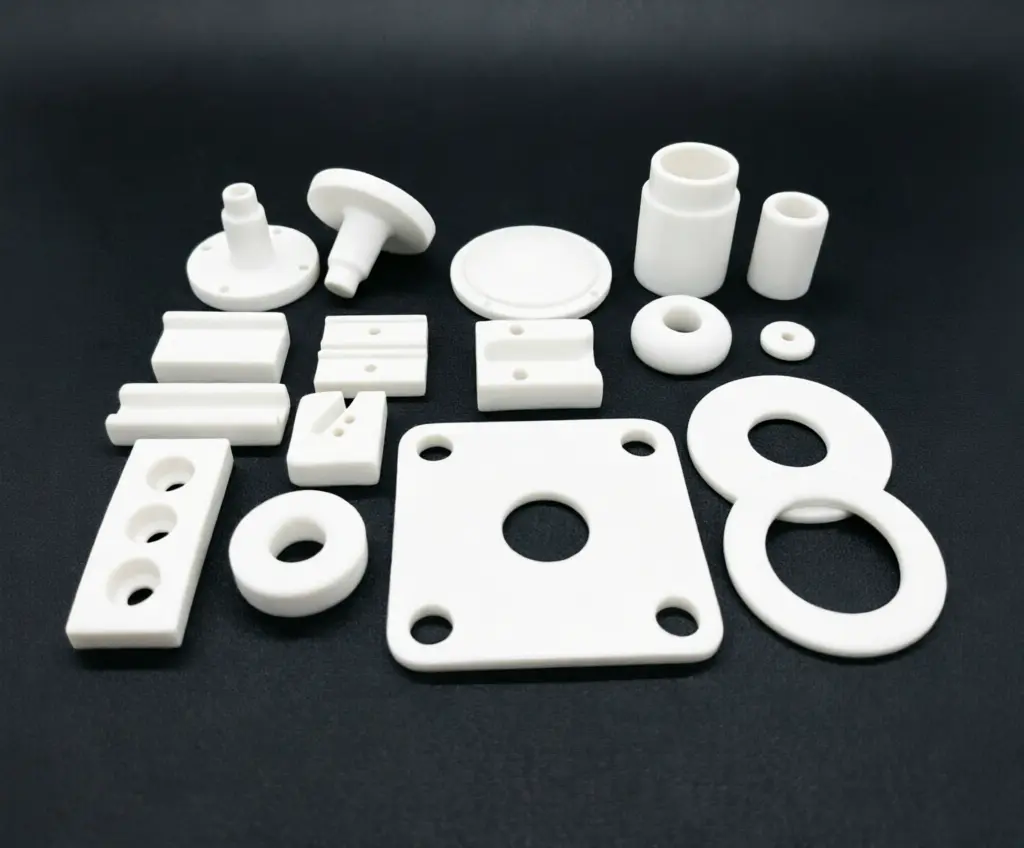
Industries Using Our PTFE O-Rings
Chemical Processing
PTFE O-rings for flange seals, pipe connections, and vessel closures in acid, solvent, and aggressive chemical service. Unlike rubber O-rings, PTFE O-rings have zero swell, zero chemical attack, and maintain sealing integrity in all media except molten alkali metals.
Semiconductor Manufacturing
Ultra-pure virgin PTFE O-rings for gas panels, etch chamber seals, and chemical delivery systems. Non-contaminating, low outgassing, no metal ion leaching — meeting semiconductor fab purity requirements.
Pharmaceutical & Food Processing
FDA 21 CFR and USP Class VI compliant PTFE O-rings for sterile connections, CIP/SIP systems, and food contact equipment. Full batch traceability and regulatory documentation.
Engineered to Replace Rubber O-Rings
Universal Chemical Resistance
Pure PTFE O-rings are chemically inert to virtually all media — acids, solvents, caustics, and hydrocarbons. No swelling, no cracking, no degradation. Replace your rubber O-rings that fail in chemical service.
-200°C to +260°C Range
PTFE O-rings maintain sealing performance across a wider temperature range than any elastomer O-ring. No stiffening at cryogenic temperatures, no thermal degradation at continuous high heat.
CNC-Machined, No Mold Charges
Custom PTFE O-ring dimensions without expensive tooling. CNC machining allows any cross-section and diameter — cost-effective for prototypes, small batches, and large custom O-rings.
Full Certification Package
Every PTFE O-ring order includes material certificates with batch traceability. FDA, USP Class VI, 3A Sanitary, and EN 1935/2004 documentation available for regulated industries.
PTFE O-Ring FAQ
Start Your PTFE O-Ring Project Today
Send us your PTFE O-ring dimensions or gland drawing. Our engineers will review and provide a detailed quote within 24 hours.

Hi, I'm Leon. ● Online
Project Engineer - HT Fluorotec
Reply within 1 hour
I help engineers and procurement teams with PTFE O-ring selection — fully custom dimensions. I'll review your flange or gland drawing, confirm the optimal PTFE O-ring size and tolerance, and provide a complete quotation.
Chat with Leon on WhatsAppWhat We'll Check For Your PTFE O-Ring
✓ Cross-section & inner diameter
✓ Gland / groove dimensions
✓ Chemical media compatibility
✓ Operating temperature & pressure
✓ Static vs dynamic application
✓ Regulatory certification needs